
Few architectural elements make as dramatic an impact as ceiling beams. Whether rustic hand-hewn timbers in a farmhouse kitchen or sleek painted beams in a modern living room, ceiling beams add dimension, character, and visual interest that transforms ordinary rooms into extraordinary spaces. For Charleston homeowners looking to elevate their interiors, ceiling beam installation is one of the most impactful upgrades available.
In this guide, we’ll explore ceiling beam styles, compare real wood to faux options, discuss design considerations for different room types, and walk you through what to expect from professional installation in your Charleston area home.
Types of Ceiling Beams
Structural vs. Decorative Beams
It’s important to understand the distinction between structural and decorative ceiling beams:
Structural beams are load-bearing elements that support the roof or upper floor. They’re part of the home’s framing and are typically hidden behind drywall in modern construction. Exposing existing structural beams (common in older Charleston homes) creates an authentic, dramatic look.
Decorative beams are non-structural elements added purely for aesthetic purposes. They’re attached to the ceiling surface and can be made from solid wood, hollow wood, or lightweight faux materials. This is what most homeowners are adding when they want the beam look without structural modifications.
Real Wood Beams
Real wood ceiling beams offer authentic character that’s difficult to replicate. Options include:
- Reclaimed barn beams: Salvaged from old barns and structures, these beams have genuine age, patina, and character marks. They’re heavy and require substantial ceiling support but deliver unmatched authenticity.
- New solid timber: Fresh-cut beams in species like cedar, Douglas fir, or white oak. They can be left natural, stained, or distressed to achieve various looks.
- Hollow box beams: Constructed from real wood boards assembled into a hollow U-shape that wraps around a mounting cleat. They look solid from below but are significantly lighter, making them suitable for standard ceiling construction.
Faux (Synthetic) Beams
Modern faux beams are made from high-density polyurethane foam molded from real wood masters. The best faux beams are remarkably realistic — with authentic wood grain texture, knot details, and even saw marks. Their advantages include:
- Extremely lightweight (can be installed by one person)
- No structural ceiling reinforcement needed
- Impervious to moisture, insects, and warping
- Available in dozens of styles and finishes
- Lower cost than real wood options
Popular Ceiling Beam Styles
Rustic/Farmhouse
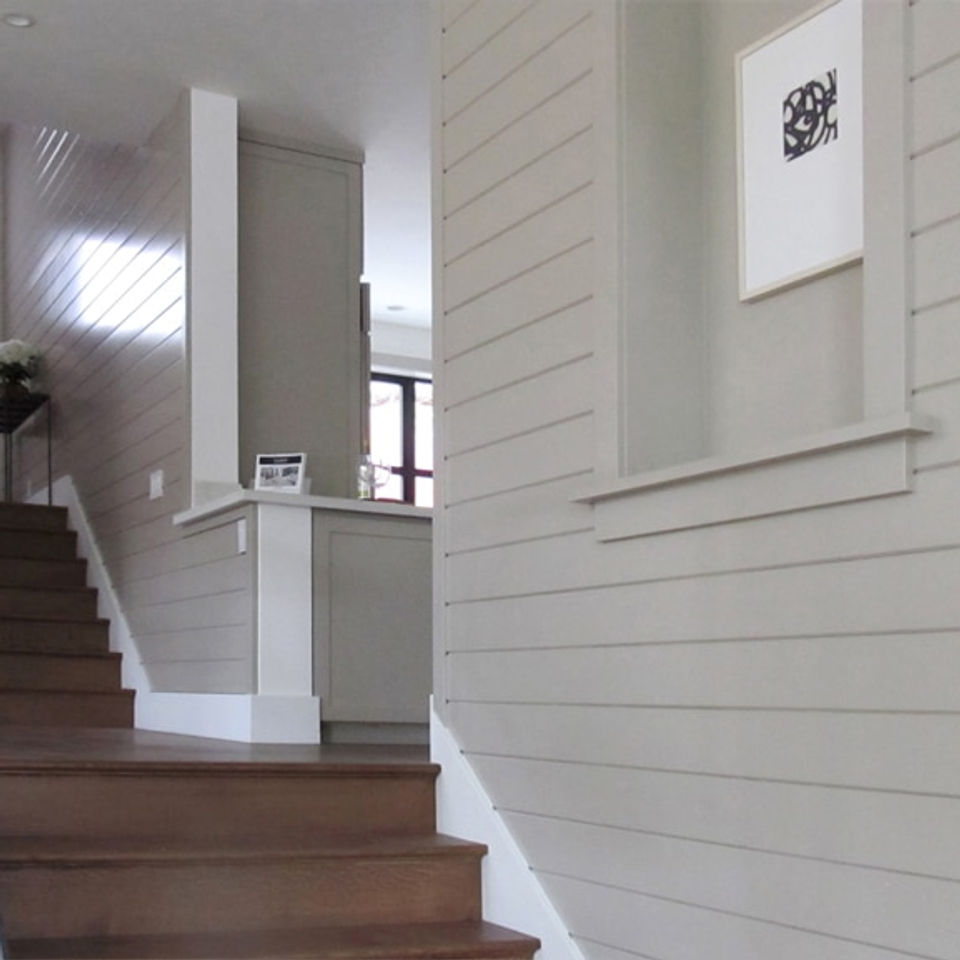
Rough-hewn beams with visible tool marks, knots, and natural imperfections. This style pairs beautifully with shiplap walls, farmhouse sinks, and open shelving. It’s particularly popular in kitchens and living rooms throughout the Charleston Lowcountry.
Traditional/Classical
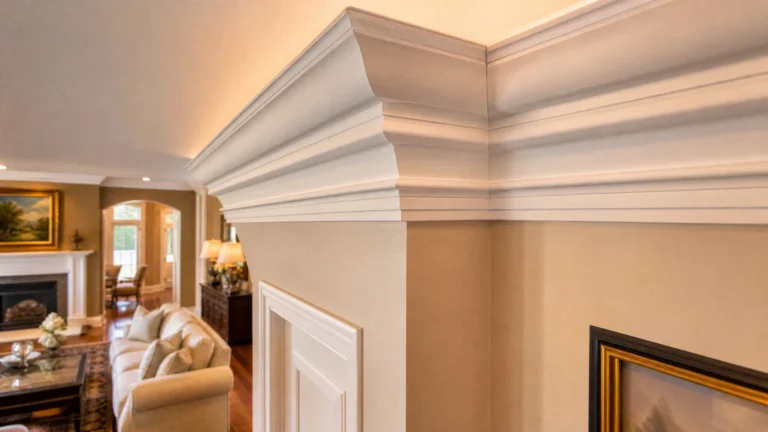
Smooth, painted beams in a coffered or grid pattern. This formal style adds architectural gravitas to dining rooms, studies, and master bedrooms. When combined with crown molding at the beam-to-ceiling junction, the result is exceptionally refined.
Modern/Contemporary
Clean-lined beams in natural wood tones (walnut, white oak) or painted in bold colors. Modern beam installations often use fewer, larger beams in asymmetric arrangements rather than traditional evenly-spaced grids.
Coastal/Lowcountry
Whitewashed or light-stained beams that evoke a relaxed, beachy aesthetic. This style is perfect for Isle of Palms and Mount Pleasant homes where the interior should reflect the coastal surroundings.
Design Considerations
Ceiling Height Requirements
Ceiling beams work best in rooms with adequate ceiling height. As a general rule:
- 8-foot ceilings: Use shallow beams (4-5 inches deep) to add texture without making the ceiling feel low
- 9-foot ceilings: Standard beam sizes (5-8 inches deep) work well with comfortable clearance
- 10+ foot ceilings: Go bold with deeper beams (8-12 inches) for dramatic impact proportional to the space
- Vaulted ceilings: Beams running along the vault’s ridge and/or perpendicular to it create stunning architectural drama
Beam Spacing and Layout
The spacing between beams affects the room’s visual rhythm:
- Evenly spaced parallel beams: The most common layout — creates a rhythmic, structured look
- Coffered grid: Beams running in both directions create a grid pattern with recessed panels between them
- Single accent beam: One dramatic beam running the length of the room (often over a kitchen island or dining table)
- Perimeter beams: Beams around the room’s perimeter create a tray ceiling effect
Room Suitability
Ceiling beams work in virtually any room, but they’re most impactful in:
- Living rooms: Create a warm, inviting atmosphere with rustic or traditional beams
- Kitchens: Add character above islands and dining areas
- Master bedrooms: Create a cozy, retreat-like feeling
- Dining rooms: Formal coffered beams add elegance for entertaining
- Home offices: Distinguished, professional atmosphere for video calls
Installation Process
Professional ceiling beam installation at DiLeo’s Carpentry LLC follows a careful process:
- Design consultation: We discuss style, layout, and material preferences, then create a detailed plan
- Ceiling assessment: We inspect the ceiling structure to determine mounting requirements and identify any obstacles (lighting, HVAC, electrical)
- Mounting preparation: Cleats or blocking are installed at ceiling joist locations to provide secure attachment points
- Beam installation: Beams are carefully positioned, leveled, and secured. For hollow beams, the U-shaped beam wraps around the mounting cleat and is fastened with concealed screws
- Finishing: Joints are filled, touch-up stain or paint is applied, and any trim details at beam-to-wall junctions are completed
Pairing Beams with Other Trim Elements
Ceiling beams look best as part of a cohesive trim package:
- Crown molding at beam-to-wall transitions adds refinement
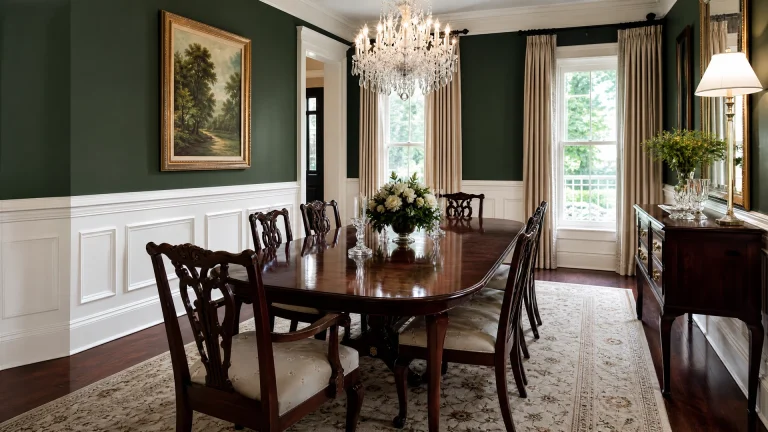
- Wainscoting below with beams above creates a fully detailed room
- Fireplace mantels in matching wood tie the room together
- Matching baseboards and door casings complete the design language
Cost Factors
Ceiling beam costs vary based on:
- Material: Faux beams are most affordable; reclaimed barn beams are most expensive
- Size and quantity: More beams and larger dimensions increase material and labor costs
- Ceiling conditions: Vaulted ceilings and difficult access add complexity
- Finish requirements: Staining, distressing, or painting adds to the project scope
- Integration with other elements: Adding crown molding or trim details at beam junctions increases the project scope
We provide free, detailed estimates for all ceiling beam projects. Contact us to discuss your vision and get a quote tailored to your specific space.
Frequently Asked Questions
Can ceiling beams be installed on any ceiling?
Yes — with proper mounting techniques. Standard drywall ceilings with accessible joists work for all beam types. For heavier real wood beams, we may need to add blocking between joists for additional support. Faux beams are light enough to mount on virtually any ceiling surface.
Do ceiling beams make a room feel smaller?
When properly sized for the ceiling height, beams actually make rooms feel more interesting and defined without feeling smaller. In rooms with adequate height (9+ feet), beams add warmth and character. In rooms with 8-foot ceilings, shallow beams still work — they just need to be appropriately scaled.
How do ceiling beams work with recessed lighting?
We plan beam placement around existing or planned recessed lighting. Lights can be positioned between beams, or for hollow beams, lighting can actually be integrated into the beam itself for a dramatic effect.
Can I paint ceiling beams later if I change my mind on the color?
Absolutely. Painted beams can be repainted any color. Stained beams can be painted over (with proper prep). The only direction that’s difficult is going from painted to natural stain — that requires stripping.
Conclusion
Ceiling beams are one of the most dramatic architectural upgrades you can add to your Charleston home. Whether you prefer rustic reclaimed timber, elegant painted coffers, or modern natural wood, professional beam installation transforms ordinary ceilings into stunning design features that you’ll enjoy for decades.
DiLeo’s Carpentry LLC installs ceiling beams throughout the Charleston Lowcountry — from downtown Charleston to Summerville, Mount Pleasant, and beyond. Request your free estimate today and let’s add architectural drama to your home.
References
- Architectural Woodwork Institute — Decorative Beam Standards
- National Association of Home Builders — Ceiling Treatment Trends
- Fine Homebuilding — Ceiling Beam Installation Techniques
 Veteran-Owned
  5-Star Rated
  24hr Response