
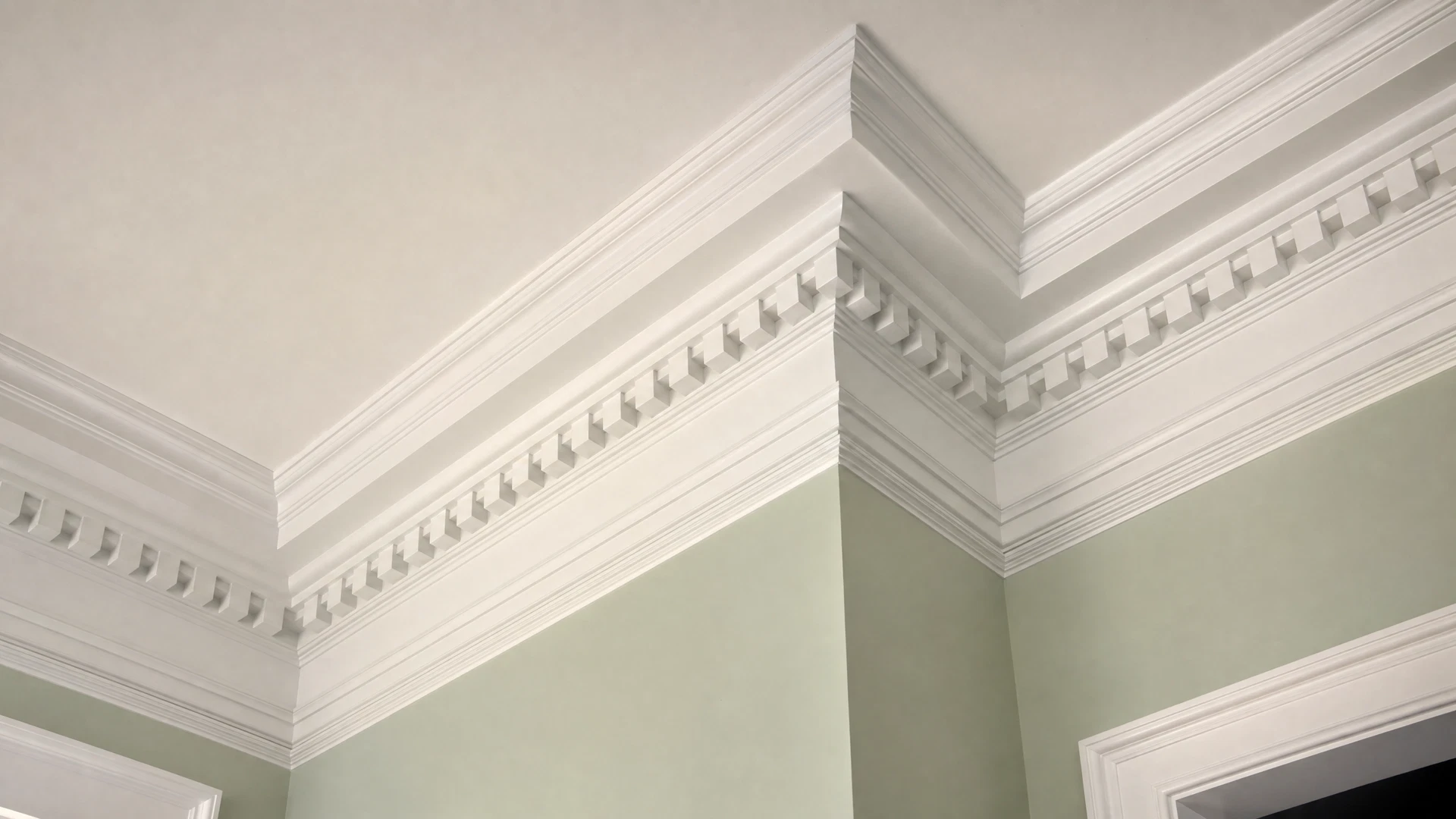
Crown molding is one of the most impactful finish carpentry upgrades you can make to your Charleston home. It bridges the gap between walls and ceilings, creating a polished, architectural look that instantly elevates any room. But with dozens of profiles, sizes, and materials available, choosing the right crown molding can feel overwhelming.
In this comprehensive guide, we’ll walk you through the most popular crown molding styles, how to choose the right size for your ceiling height, which materials work best in the Charleston climate, and how professional installation ensures flawless results. Whether you live in a historic downtown Charleston home or a modern build in Summerville, there’s a crown molding style that will complement your architecture perfectly.
Understanding Crown Molding Profiles
Crown molding profiles range from simple, clean lines to ornate, multi-layered designs. The profile you choose sets the tone for the entire room — a simple cove molding creates a subtle, modern transition, while a detailed ogee profile adds traditional elegance. Here are the most popular profiles we install across the Charleston Lowcountry:
1. Ogee Crown Molding
The ogee profile is the most classic and widely recognized crown molding style. It features an S-shaped curve that creates elegant shadow lines along the ceiling. This profile works beautifully in Charleston’s historic homes, complementing traditional architecture with its timeless appeal. Ogee molding is available in sizes ranging from 3.5 inches to 7+ inches, making it versatile enough for both standard and tall ceilings.
We frequently install ogee crown molding in formal living rooms, dining rooms, and master bedrooms throughout Charleston, Mount Pleasant, and Summerville. The shadow lines created by the S-curve add depth and visual interest without overwhelming the space.
2. Cove Crown Molding
Cove molding features a simple concave curve — essentially a quarter-circle that creates a smooth, gentle transition from wall to ceiling. This is the go-to choice for homeowners who want a clean, understated look. It works exceptionally well in contemporary and transitional homes, as well as bedrooms and hallways where you want elegance without formality.
Cove molding is also one of the most affordable options and is easier to install in rooms with irregular corners. For homeowners in Goose Creek and North Charleston looking for a budget-friendly upgrade that still makes a significant visual impact, cove crown molding is an excellent choice.
3. Dentil Crown Molding
Dentil molding features a row of small, evenly spaced rectangular blocks (called “teeth”) beneath the main crown profile. This style has roots in classical Greek and Roman architecture and adds a distinguished, formal character to any room. It’s particularly popular in Charleston’s historic district homes and in formal dining rooms and studies.
Because of the intricate detail, dentil crown molding requires expert installation to ensure the teeth align perfectly at corners and transitions. This is where professional crown molding installation makes all the difference — the precision required for dentil work is significantly higher than simpler profiles.
4. Egg-and-Dart Crown Molding
Another classical profile, egg-and-dart molding features alternating oval (egg) and pointed (dart) shapes carved into the molding face. This ornate style is reserved for formal spaces and high-end homes where architectural detail is a priority. It pairs beautifully with other classical elements like fluted columns, medallions, and wainscoting.
5. Contemporary/Stepped Crown Molding
For modern homes and minimalist interiors, stepped crown molding creates a layered, geometric look using multiple flat pieces installed in a stair-step pattern. This style is growing in popularity in newer Charleston-area developments and renovations where homeowners want architectural interest without traditional ornamentation.
Stepped crown is actually a built-up technique — we combine multiple flat stock pieces to create a custom profile that’s unique to your home. This approach allows for complete customization of width, depth, and the number of steps.
Choosing the Right Crown Molding Size
One of the most common mistakes homeowners make is choosing crown molding that’s too small for their space. The size of your crown molding should be proportional to your ceiling height, room size, and the overall architectural style of your home.
Size Guidelines by Ceiling Height
8-foot ceilings: Choose crown molding between 3.5 and 5.5 inches. Anything larger will feel heavy and make the ceiling appear lower. A 4.5-inch ogee or cove is the sweet spot for most standard-height rooms in Charleston homes.
9-foot ceilings: You have more flexibility here — 4.5 to 6.5 inches works well. This is the most common ceiling height in newer Charleston-area construction, and a 5.25-inch crown provides excellent proportion.
10-foot ceilings and above: Go bold with 6 to 8+ inches of crown molding. Tall ceilings can handle substantial profiles, and undersized molding will look lost. Many historic Charleston homes have 10-12 foot ceilings that demand appropriately scaled trim work.
Cathedral/vaulted ceilings: These require special consideration. Crown molding on a vaulted ceiling follows the rake (angle) of the ceiling rather than sitting in a traditional 45-degree spring angle. This is advanced work that requires experienced trim carpentry skills.
Materials: What Works Best in Charleston’s Climate
Charleston’s humid subtropical climate means moisture is a constant consideration for interior trim. The material you choose for crown molding affects durability, paintability, cost, and long-term performance.
Solid Wood (Pine, Poplar, MDF)
Pine is the traditional choice for painted crown molding. It’s readily available, takes paint beautifully, and can be stained for a natural look. However, pine can expand and contract with Charleston’s humidity swings, so proper acclimation before installation is essential.
Poplar is a hardwood that’s excellent for painted applications. It’s more stable than pine in humid conditions and has a finer grain that produces a smoother painted finish. We often recommend poplar for high-end installations where longevity matters.
MDF (Medium-Density Fiberboard) is extremely stable and won’t expand or contract with humidity changes. It’s the most affordable option and produces perfectly smooth painted surfaces. However, MDF is not suitable for areas with direct moisture exposure (like bathrooms without proper ventilation).
PVC and Composite
For bathrooms, kitchens, and any room with high humidity, PVC crown molding is virtually impervious to moisture. It won’t rot, warp, or swell — making it ideal for Charleston’s climate. Modern PVC profiles are nearly indistinguishable from painted wood once installed.
Installation Considerations
Crown molding installation is one of the most skill-intensive finish carpentry tasks. Unlike baseboards that sit flat against a wall, crown molding is installed at an angle (called the “spring angle”) between the wall and ceiling. This means every cut is a compound miter — requiring precise angles in two planes simultaneously.
Why Professional Installation Matters
The difference between professional and amateur crown molding installation is immediately visible. Common DIY mistakes include:
- Gaps at inside and outside corners due to incorrect miter angles
- Visible nail holes and poor caulking that creates bumpy lines
- Molding that doesn’t sit flush against the wall or ceiling due to framing irregularities
- Misaligned joints where two pieces meet on a long wall
- Inconsistent reveal when crown meets door or window casings
At DiLeo’s Carpentry LLC, we use cope joints at inside corners (rather than simple miters) for a seamless fit that won’t open up over time. We also scribe molding to irregular ceiling and wall surfaces, ensuring tight contact throughout the entire run. Every nail hole is filled, sanded, and caulked for an invisible finish.
What to Expect During Installation
A typical crown molding installation in a standard-sized Charleston home (living room, dining room, and master bedroom) takes 1-2 days. The process includes:
- Room preparation and protection of floors and furniture
- Locating ceiling joists and wall studs for secure fastening
- Installing blocking where needed for solid attachment
- Cutting and fitting each piece with precision cope and miter joints
- Nailing, filling, caulking, and final touch-up
Crown Molding Styles for Different Charleston Home Types
Historic Downtown Charleston Homes
Charleston’s historic homes (pre-1940s) typically feature tall ceilings, plaster walls, and existing architectural details. For these homes, we recommend profiles that match or complement the original trim style — usually larger ogee or dentil profiles in the 5-7 inch range. Matching the existing character while using modern materials ensures longevity without sacrificing authenticity.
Lowcountry Traditional (1980s-2000s)
Many homes in Summerville, Moncks Corner, and Goose Creek from this era have 8-9 foot ceilings with minimal existing trim. A 4.5-5.25 inch ogee or cove profile adds significant character without overwhelming the space. These homes often benefit from a complete trim package including crown molding, baseboards, and window casings.
Modern New Construction
Newer homes in Mount Pleasant and Isle of Palms often feature open floor plans with 9-10 foot ceilings. Contemporary stepped profiles or clean-lined modern crown in the 5-6 inch range complement these spaces beautifully. For homes with coffered ceilings or ceiling beams, crown molding can tie the entire ceiling design together.
Cost Factors for Crown Molding in Charleston
The cost of crown molding installation varies based on several factors:
- Profile complexity: Simple cove is less expensive than ornate dentil or egg-and-dart
- Material choice: MDF is most affordable, followed by pine, poplar, and PVC
- Room complexity: Rooms with many corners, soffits, or irregular angles require more time
- Ceiling height: Taller ceilings require scaffolding and larger (more expensive) profiles
- Existing conditions: Plaster walls, uneven ceilings, or lack of backing can add complexity
We provide free, detailed estimates for every crown molding project. Our quotes include materials, labor, and all finishing work (filling, caulking, and touch-up paint if desired). There are never hidden fees or surprise charges.
Pairing Crown Molding with Other Trim Elements
Crown molding looks best when it’s part of a cohesive trim package. Consider pairing it with:
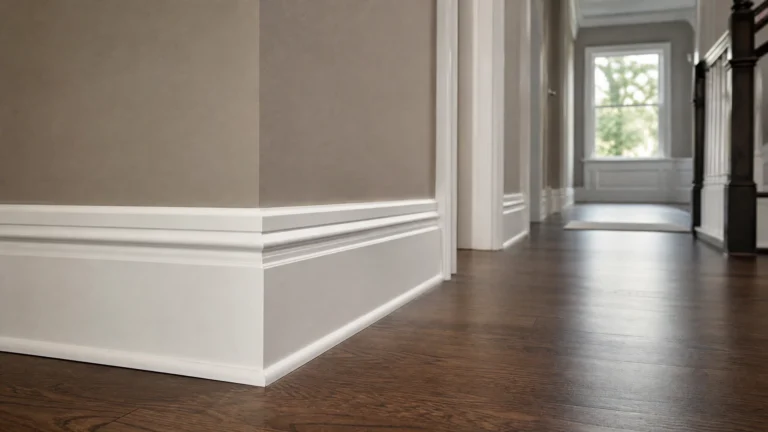
- Baseboards: Your baseboard profile should complement (not necessarily match) your crown. A general rule: baseboard height should be 60-75% of crown height.
- Door and window casings: Door and window trim should share design DNA with your crown — if your crown is ornate, your casings should have some detail too.
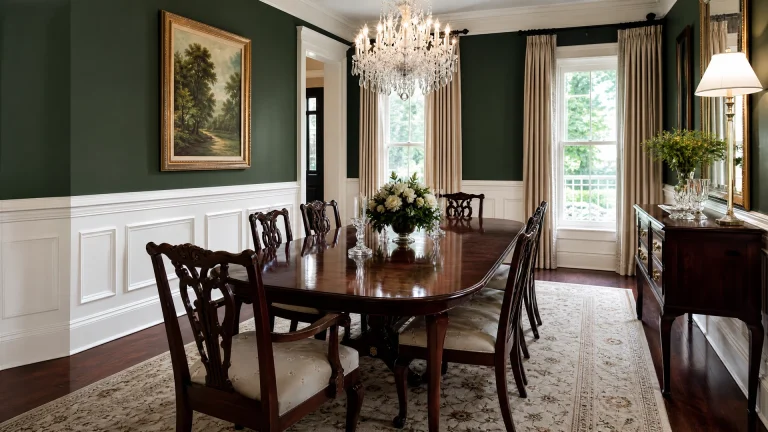
- Wainscoting: In formal rooms, wainscoting below paired with crown molding above creates a complete, high-end look.
- Chair rail: Adding a chair rail at 32-36 inches creates a visual break that makes crown molding feel more proportional in rooms with standard ceilings.
Frequently Asked Questions
Can crown molding be installed on textured ceilings?
Yes, but the texture needs to be scraped back about 2 inches from the wall to allow the molding to sit flush. This is a common situation in Charleston homes built in the 1980s-90s with “popcorn” or knockdown texture ceilings.
Should crown molding be painted before or after installation?
We recommend priming before installation and doing final paint after. This allows us to fill nail holes and caulk joints for a seamless finish. The final coat of paint covers everything for a flawless result.
How long does crown molding last?
Properly installed crown molding will last the lifetime of your home. The key is quality installation with proper fastening, appropriate materials for the environment, and good caulking to prevent moisture intrusion at joints.
Can I add crown molding to just one room?
Absolutely. Many homeowners start with their most formal spaces — the living room or dining room — and add crown to other rooms over time. We ensure consistent profiles so additions blend seamlessly with existing work.
Conclusion
Crown molding is one of the highest-impact, best-value finish carpentry upgrades you can make to your Charleston home. The right profile, size, and material — installed with precision — transforms ordinary rooms into elegant, architecturally detailed spaces that increase both your enjoyment and your home’s value.
At DiLeo’s Carpentry LLC, we’ve installed crown molding in hundreds of homes across the Charleston Lowcountry. As a veteran-owned business, we bring military-grade precision to every miter, every cope joint, and every finished detail. Contact us today for a free estimate on your crown molding project.
References
- National Association of Home Builders (NAHB) — Trim Carpentry Best Practices
- Architectural Woodwork Institute — Crown Molding Standards & Profiles
- Charleston Preservation Society — Historic Trim Restoration Guidelines
 Veteran-Owned
  5-Star Rated
  24hr Response